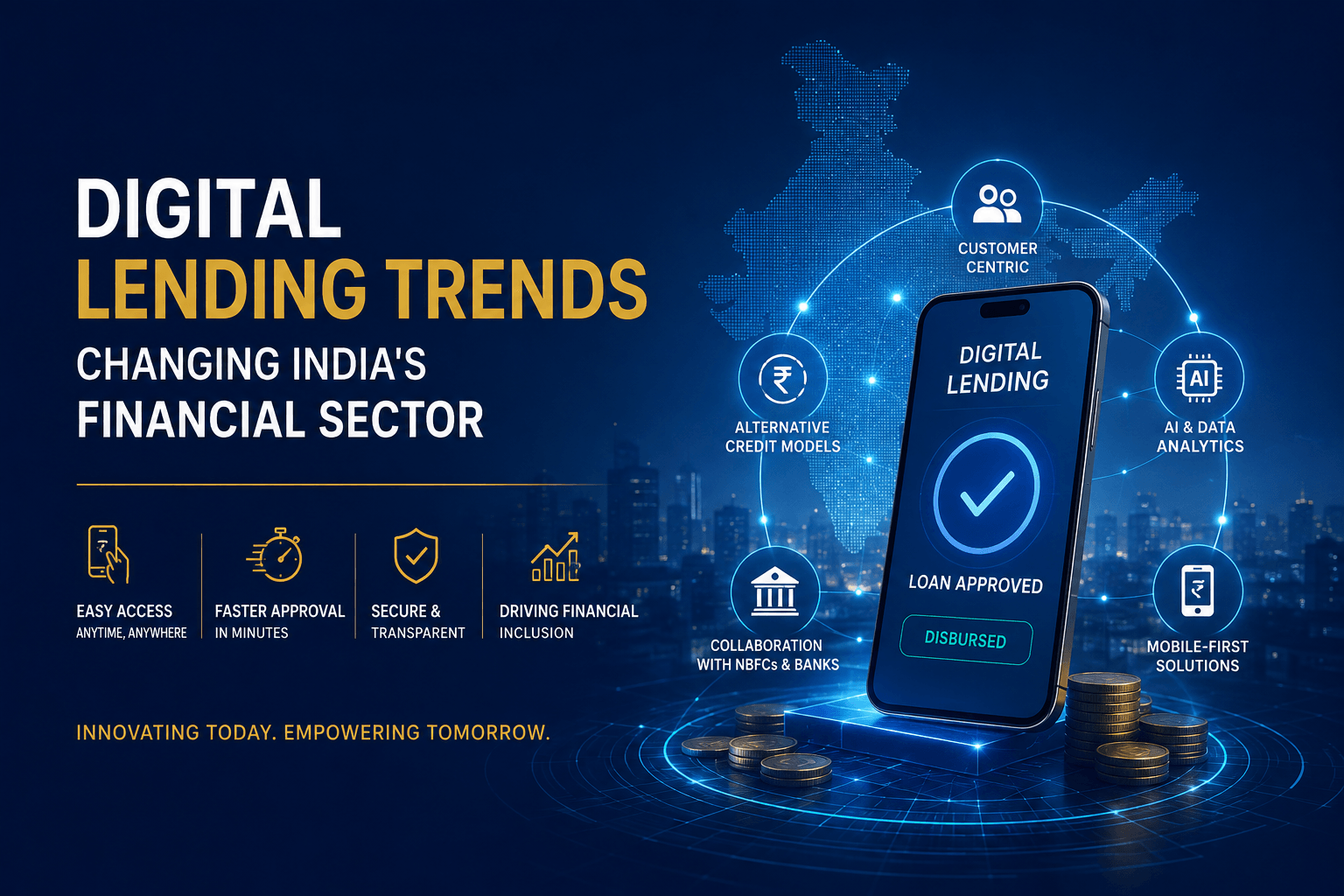
The way people borrow money in India has changed a lot over the last few years. Earlier, getting a loan meant visiting a bank branch, filling out forms, submitting documents, and waiting days or even weeks for approval. Today, things are very different.
With the growth of smartphones, internet access, and fintech companies, people can now apply for loans online from the comfort of their homes. Whether it’s a personal loan, business loan, education loan, or short-term credit, digital lending has made the process much faster and easier.
India is one of the fastest-growing digital economies in the world, and digital lending is playing a major role in this growth. Let’s look at some of the key trends that are shaping India’s financial sector.
1. More People Are Choosing Online Loan Platforms
One of the biggest changes in recent years is the growing popularity of online lending platforms.
People no longer want to spend hours visiting banks and dealing with paperwork. They prefer a simple process where they can apply online and get a quick response.
Many digital lending platforms now allow users to:
- Apply for a loan online
- Upload documents digitally
- Complete verification online
- Receive approval within hours
This convenience is attracting more borrowers every year.
2. Faster Loan Approvals
Speed is one of the biggest reasons why digital lending is growing so quickly.
Traditional loans can take several days to process. Digital lenders use technology to review applications faster and make quicker decisions.
In many cases, borrowers can receive approval on the same day. Some platforms even provide instant loan offers based on customer information.
This is especially helpful for people who need urgent funds for personal or business needs.
3. Better Access to Credit
Many people in India still find it difficult to get loans from traditional banks. This can happen because they have limited credit history or do not meet strict banking requirements.
Digital lenders are using new ways to understand a person’s financial behavior. Instead of looking only at traditional credit scores, they may also consider factors such as:
- Income patterns
- Digital payment history
- Banking transactions
- Employment details
This approach helps more people access credit when they need it.
4. Growth of P2P Lending
Peer-to-Peer (P2P) lending is becoming more popular in India.
In this model, borrowers and investors connect through an online platform. Instead of borrowing money from a bank, individuals can receive funds from investors who are looking for investment opportunities.
P2P lending offers several benefits:
- Easier access to loans
- More investment options
- Simple online processes
As awareness grows, more people are exploring P2P lending as part of their financial planning.
5. Rise of Buy Now, Pay Later (BNPL)
The Buy Now, Pay Later model has become very popular, especially among online shoppers.
It allows customers to purchase products immediately and pay later in smaller installments.
This option is commonly available on:
- E-commerce websites
- Shopping apps
- Online marketplaces
Many consumers prefer BNPL because it offers flexibility and convenience while making purchases.
6. Mobile Apps Are Driving Growth
Almost everyone today uses a smartphone. Because of this, lending companies are focusing heavily on mobile applications.
Loan apps allow users to:
- Check eligibility
- Apply for loans
- Upload documents
- Track repayments
- Contact customer support
A mobile-first approach helps lenders reach customers across cities, towns, and rural areas.
7. Personalized Loan Offers
Today’s borrowers expect services that match their needs.
Digital lending companies are using customer data to provide more personalized loan options.
For example, lenders may offer:
- Different loan amounts
- Flexible repayment periods
- Customized interest rates
- Special offers for existing customers
This creates a better experience for borrowers and helps lenders build long-term relationships.
8. Increased Focus on Customer Experience
Competition in the lending industry is growing. As a result, companies are working hard to improve customer experience.
Modern digital lending platforms focus on:
- Easy-to-use websites
- Simple application forms
- Faster approvals
- Clear information about charges
- Better customer support
Customers are more likely to trust and use platforms that provide a smooth experience.
9. Stronger Regulations and Transparency
As digital lending grows, regulators are paying more attention to customer protection.
The focus is on ensuring that lending companies provide:
- Clear loan terms
- Transparent fees and charges
- Secure handling of customer data
- Responsible lending practices
These steps help create trust and encourage more people to use digital financial services.
10. The Future Looks Promising
Digital lending is still growing, and the future looks bright.
More people are becoming comfortable with online financial services. At the same time, technology continues to improve, making lending faster, safer, and more accessible.
In the coming years, we can expect:
- More digital loan products
- Better customer experiences
- Increased financial inclusion
- Wider adoption of online lending platforms
Businesses, investors, and consumers will all benefit from these developments.
Final Thoughts
Digital lending is changing the way India borrows and lends money. Faster approvals, easy online access, mobile apps, and innovative models like P2P lending are helping more people access financial services than ever before.
As technology continues to grow and more consumers move towards digital solutions, digital lending will remain an important part of India’s financial future.
For individuals looking to understand modern borrowing options and investors exploring new opportunities, staying updated with these trends can help make better financial decisions.
